Ashford Artist of the Month – July 26 – Irene La Manna

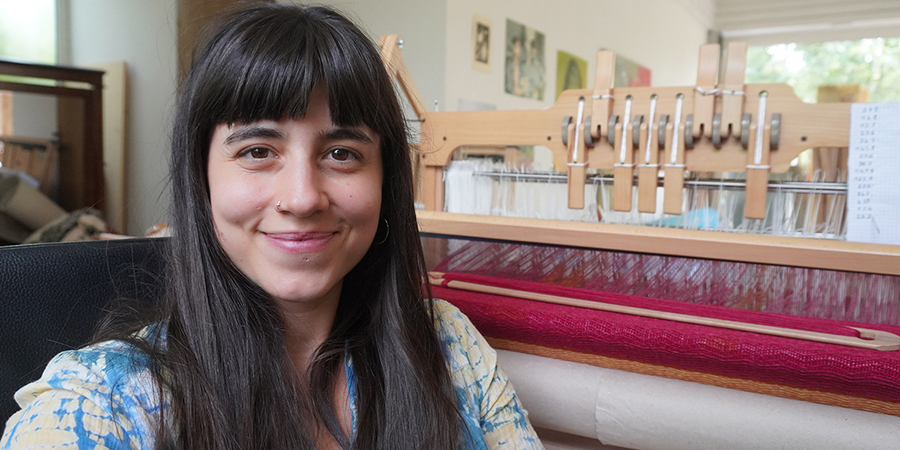
This month, we are delighted to feature handweaver and textile artist, Irene La Manna as our Ashford Artist of the Month. Through her thoughtful use of colour, texture, and beautifully crafted handwoven textiles, Irene creates pieces that celebrate both traditional weaving techniques and contemporary design. We hope you will enjoy getting to know Irene, discovering her creative journey, and finding inspiration in her beautiful work.

Kate

NAME: Irene La Manna

BUSINESS NAME: Irene La Manna

Who are you, where are you from, and what do you do?
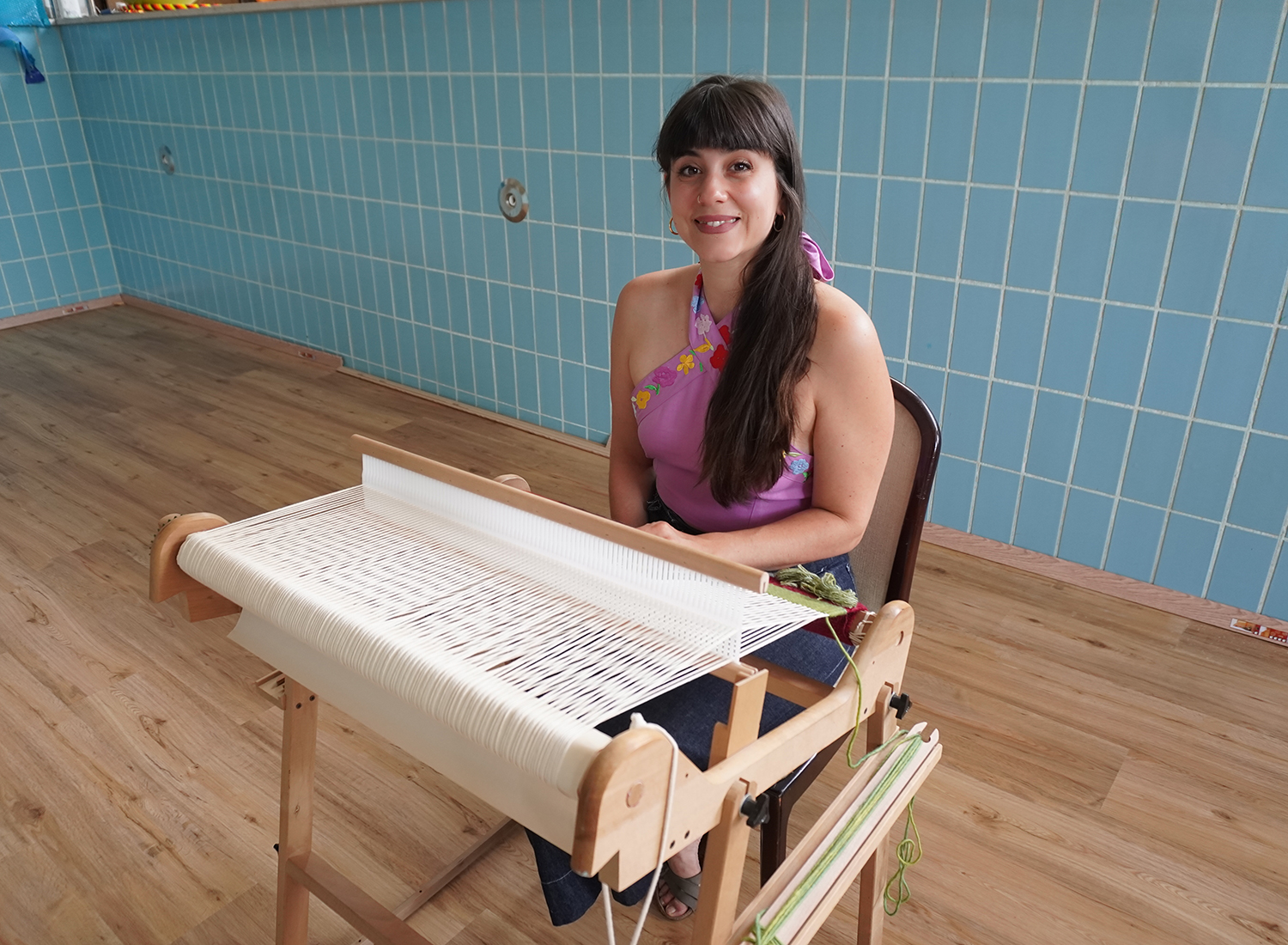
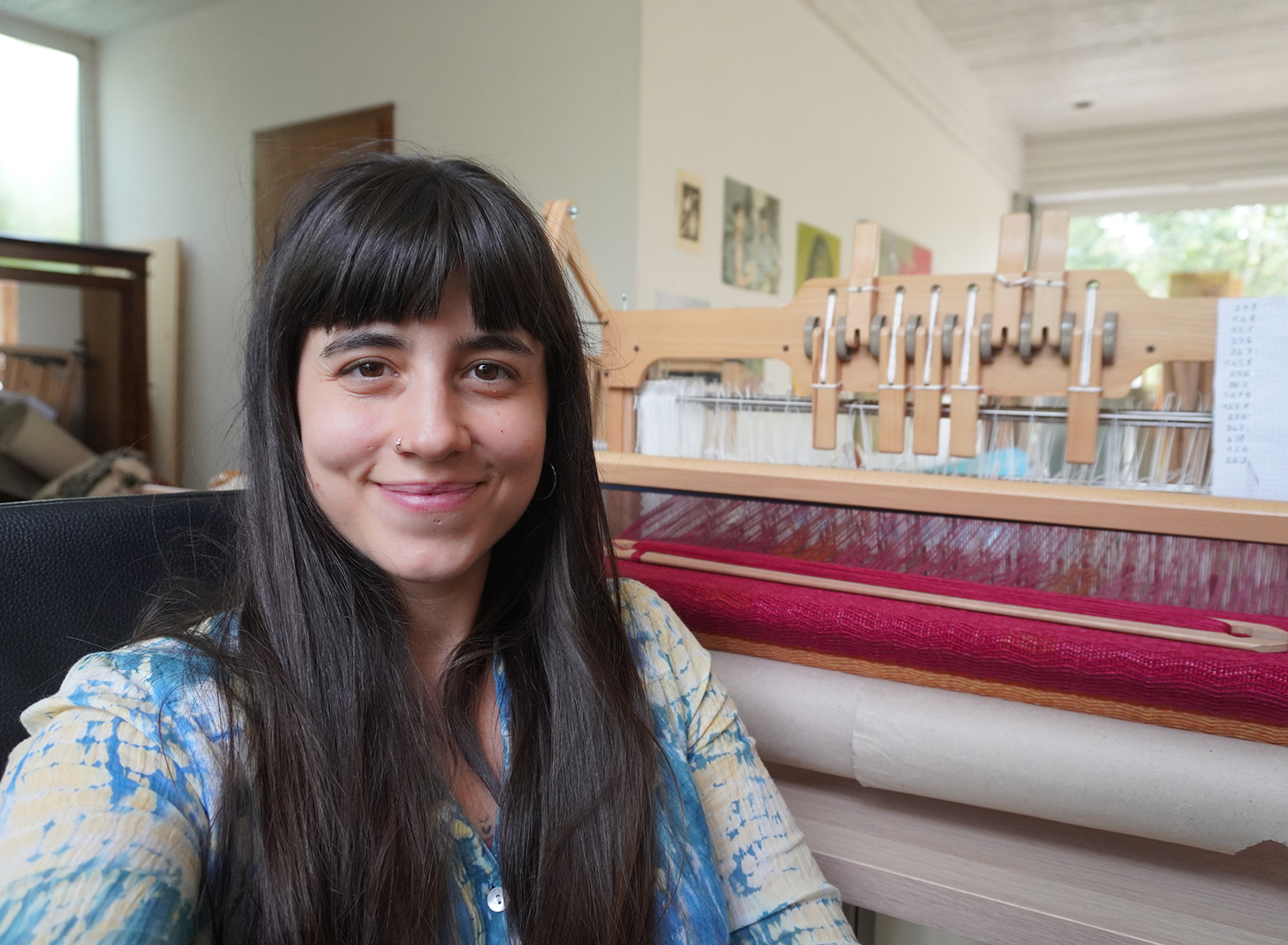
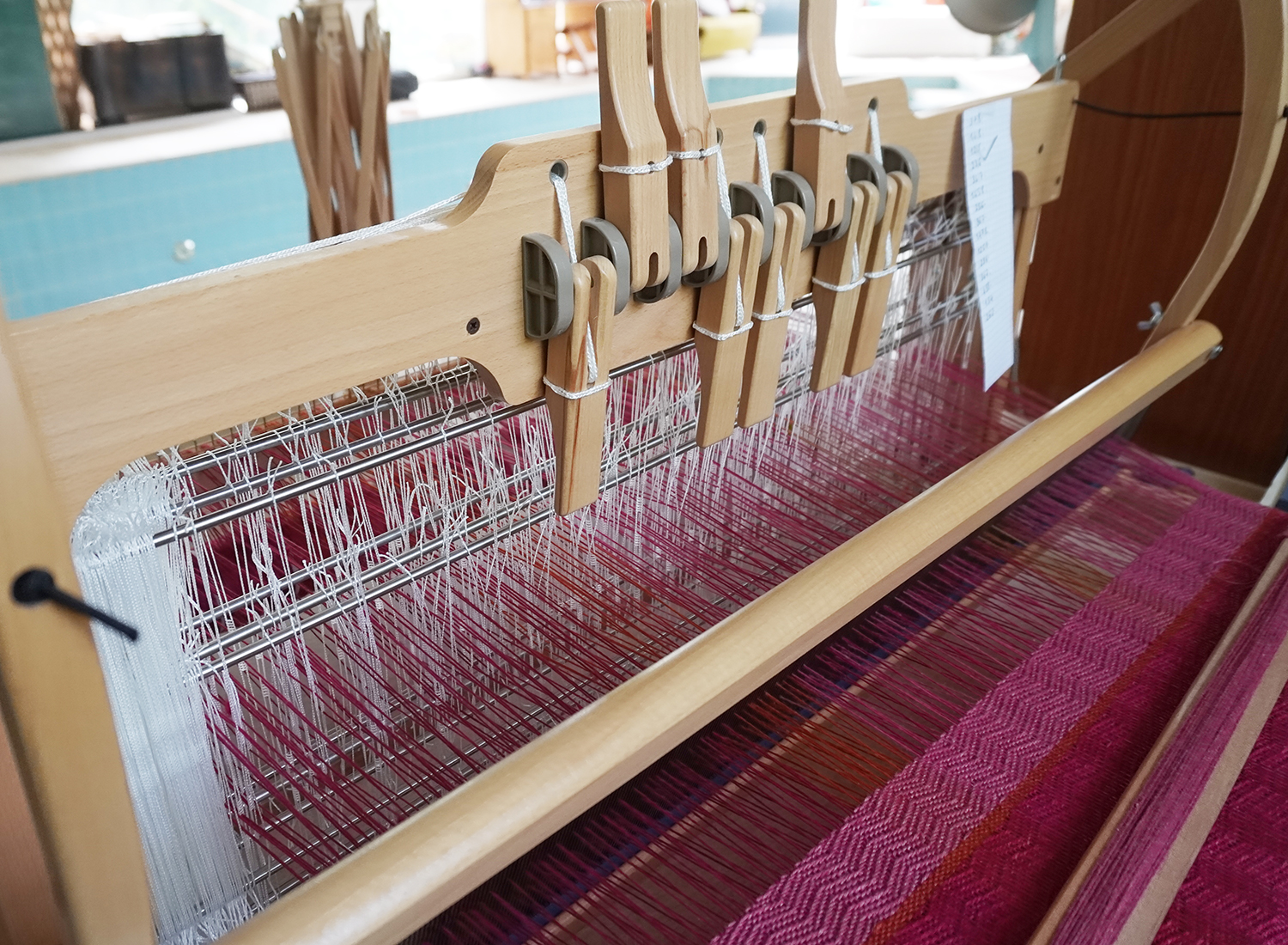
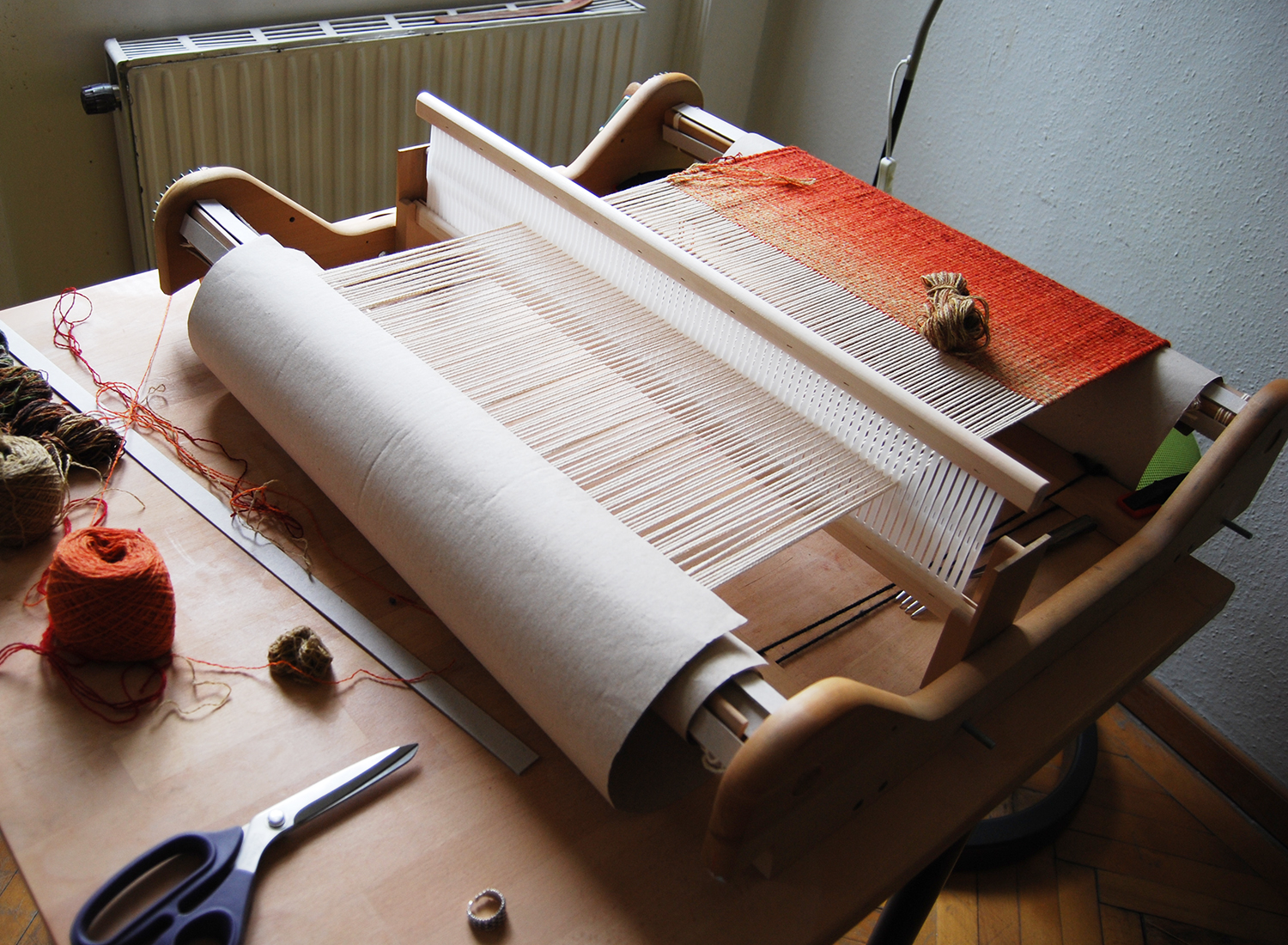
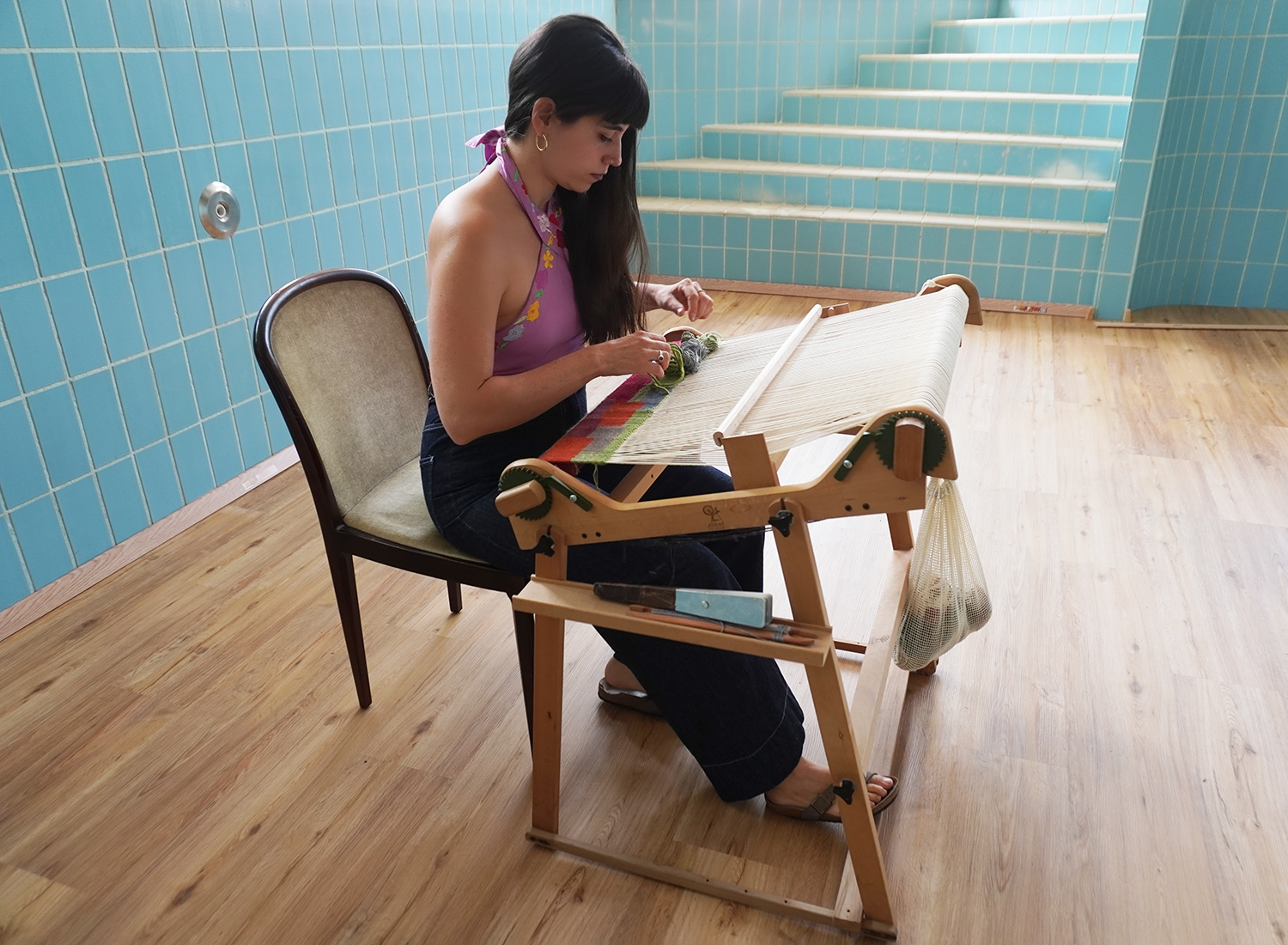
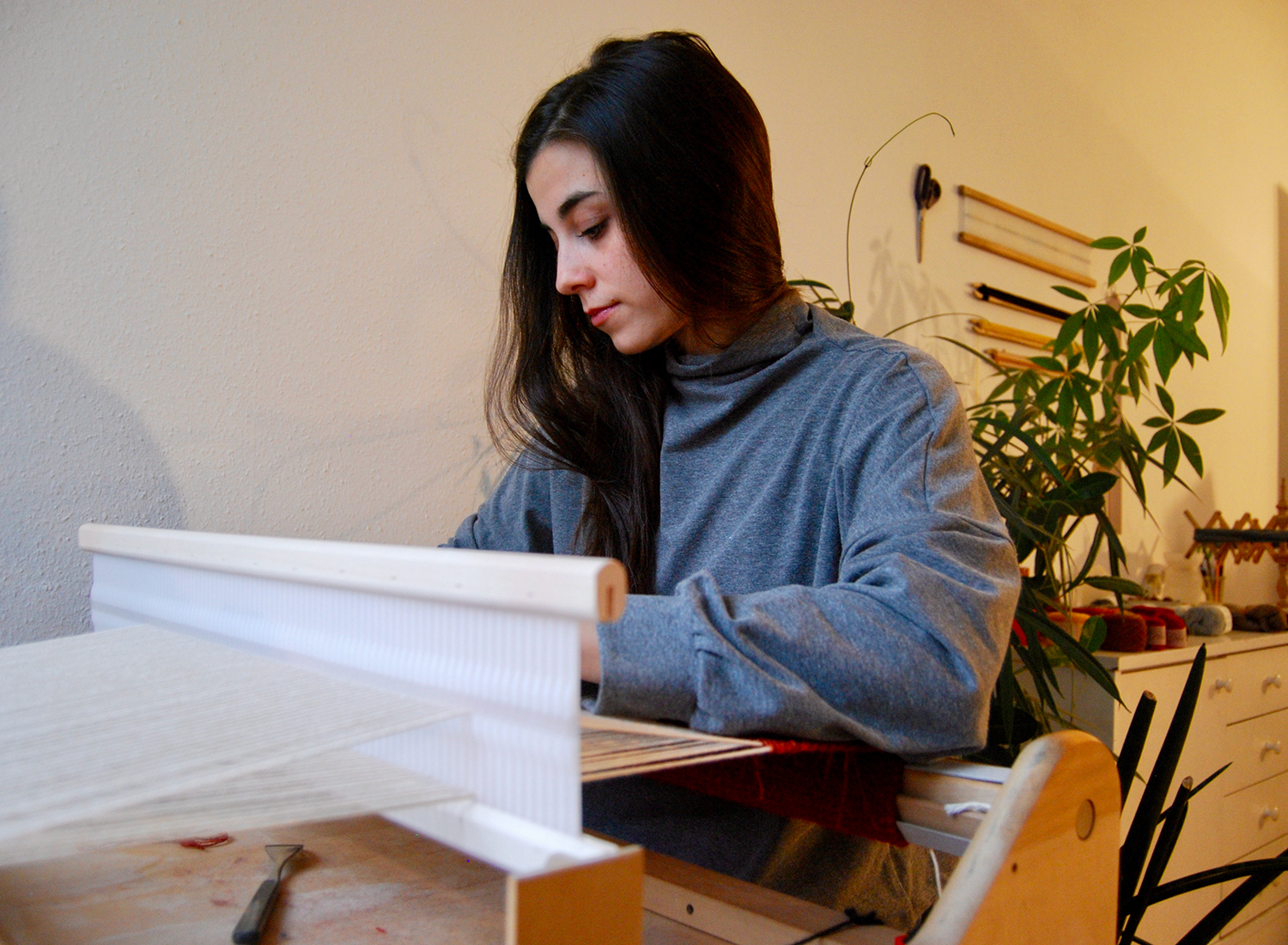
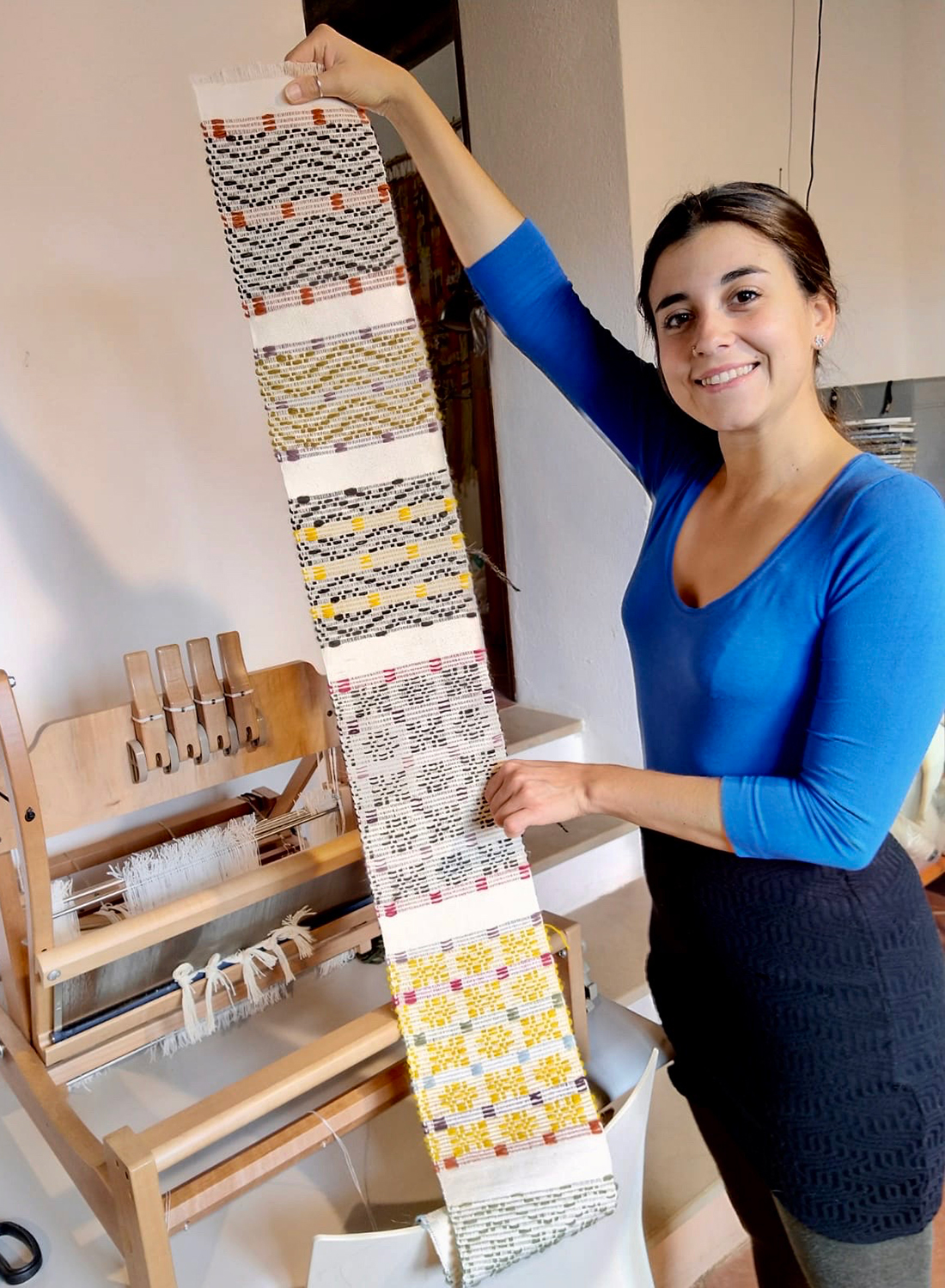
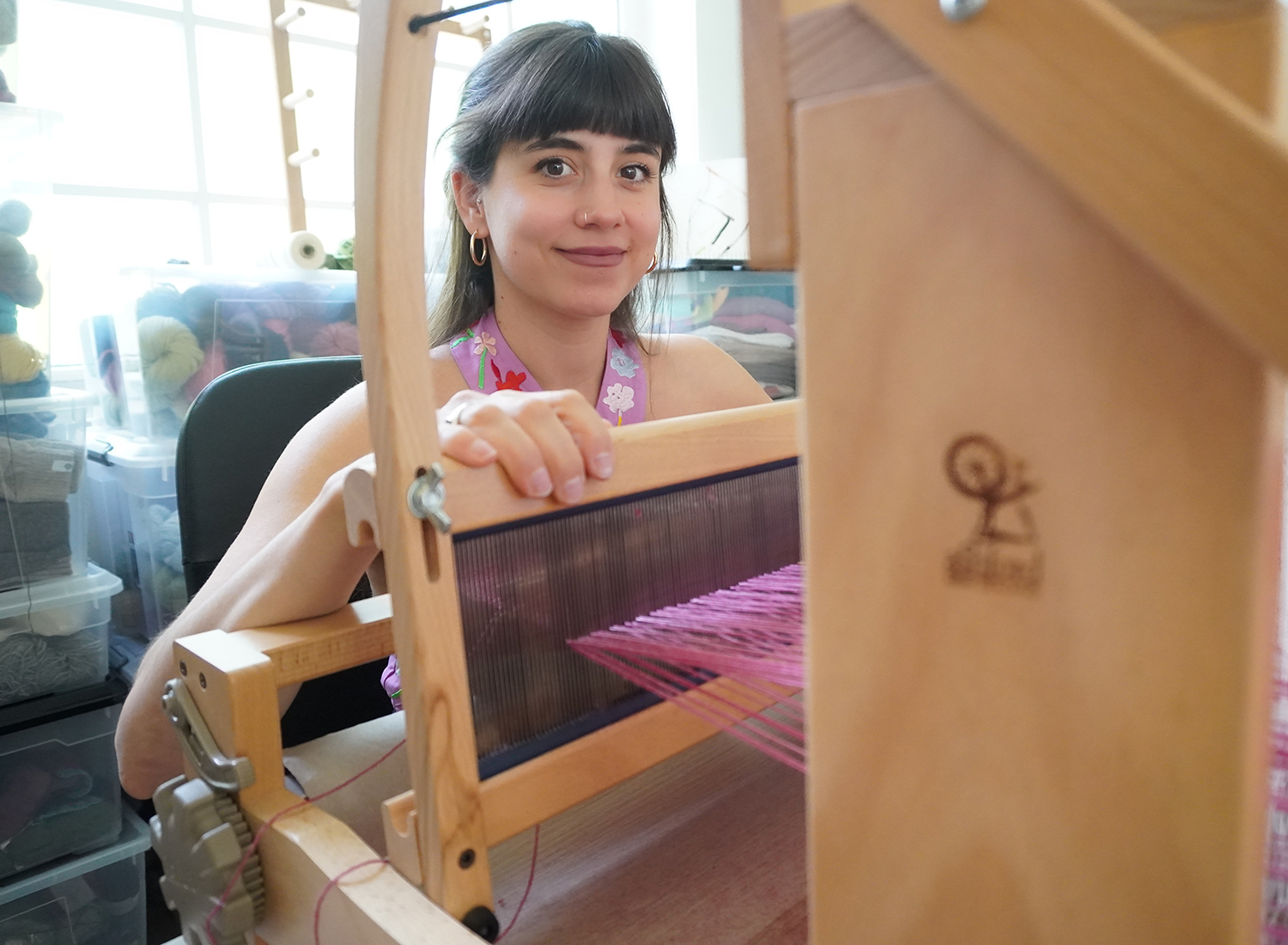
My name is Irene La Manna. I was born in Trento, in the Italian Alps, and I have been living in Austria for over a decade. I lived in Vienna for eleven years, and for the past year I have been living with my husband and our two children near a beautiful lake surrounded by mountains in the heart of Austria, a place that has deeply shaped both my life and my creative practice.I am a hand weaver and textile artist. On my manual wooden looms, I create scarves, shawls, ponchos and tapestries using exclusively natural fibers. Alongside my work as an artist, I am also studying Psychology at university. At first glance these may seem like two different worlds, but to me they are deeply connected: both are about listening, patience and creating meaningful human connections.
What was your background? (If different from now).

Textiles have been at the center of my professional life for around eight years. After training as a hand weaver in Vienna, I opened my own weaving studio and dedicated myself to creating contemporary textiles rooted in traditional craftsmanship.
Over time, however, my life expanded in unexpected ways. Becoming a mother changed my priorities and my understanding of creativity. It taught me that creating is not always about producing more; sometimes it is about paying closer attention, slowing down and being fully present.
More recently, I began studying psychology because I felt a growing desire to accompany people with the same care and sensitivity that I bring to my weaving.

How did you get started on your fibre artist journey?

Looking back, I think my journey began long before I ever sat at a loom.
As a child, I was fascinated by traditional crafts and by the quiet beauty of handmade objects. There was something magical about creating something lasting with your own hands.
When I was twenty, I taught myself how to knit and crochet. I remember feeling an almost irresistible desire to learn every technique I could and to make things with my own hands. I still love both crafts today, but everything changed when I discovered weaving. The loom felt like coming home.
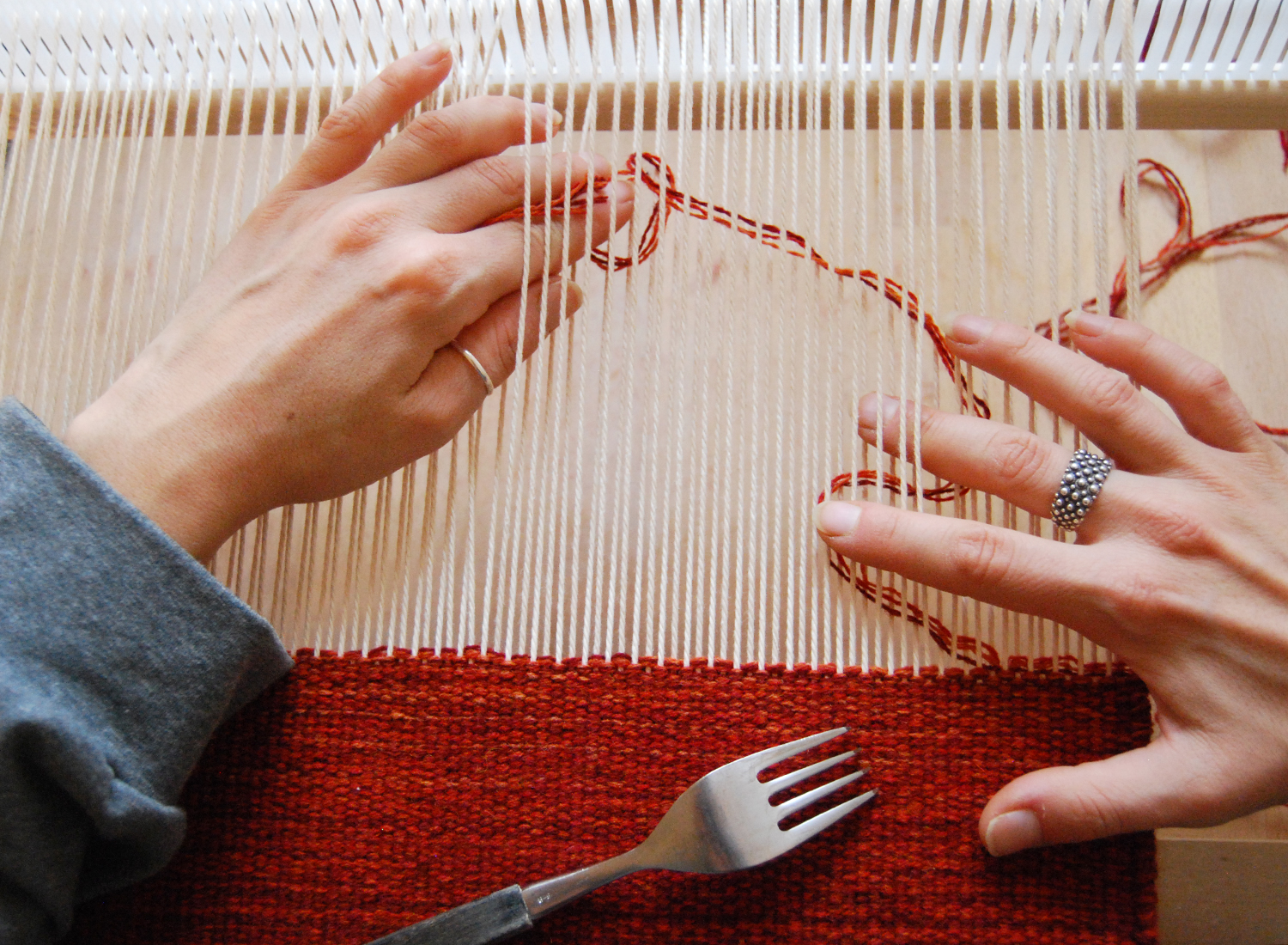
It brought together everything I loved: color, texture, rhythm, patience and endless creative possibilities. Weaving taught me that beautiful things cannot be rushed. Every piece grows slowly, thread by thread, and every decision influences the next. In many ways, weaving also taught me how to live—with more patience, more intention and a deeper appreciation for the process rather than the outcome.

How did your journey evolve over time?

At first, I was mainly interested in mastering techniques and understanding the endless possibilities of weaving.
As the years passed, weaving became something much deeper than craftsmanship. It became a language through which I could express myself.
Motherhood transformed my creative practice as well. It slowed me down. It taught me to appreciate small moments, imperfect rhythms and the beauty of everyday life. Today my work reflects not only my love for traditional textiles, but also my personal journey through family life, nature and continuous growth.

What do you do with your creations/art/finished pieces?

Every piece I make is meant to be lived with.
I create wearable textiles such as scarves and ponchos, alongside rugs and tapestries for the home. I hope that the people who choose my work don’t simply buy an object, but welcome into their lives something that carries warmth, care and the quiet beauty of slow craftsmanship.
My work is exhibited and sold through selected shops, art galleries, artists’ studios, exhibitions, craft fairs and online.

If you sell your work- where do you sell it?

I sell my work through carefully selected shops, exhibitions, seasonal markets, pop-up stores and online.
I also enjoy sharing my creative process on social media and through my website. I love inviting people behind the scenes of my work, showing that every finished textile is the result of countless small decisions, many hours of weaving and a great deal of patience.
I particularly enjoy collaborating with places that celebrate craftsmanship, sustainability and slow living.

How do you manage a balanced life as an artist?

Balance is probably something I practice rather than something I achieve.
As a mother of two young children, I have learned that creativity doesn’t always arrive in long uninterrupted days in the studio. Sometimes it grows quietly between everyday moments, family life and university.
Living close to nature helps me reconnect with myself. Walking by the lake or spending time in the mountains reminds me that everything has its own rhythm, including creativity. I no longer fight those changing seasons of life; instead, I try to grow with them.

Where do you draw your inspiration from?

Nature is my greatest teacher.
The colors of the changing seasons, the textures of bark and stone, reflections on the lake, soft morning light and storms rolling over the mountains constantly inspire my work.
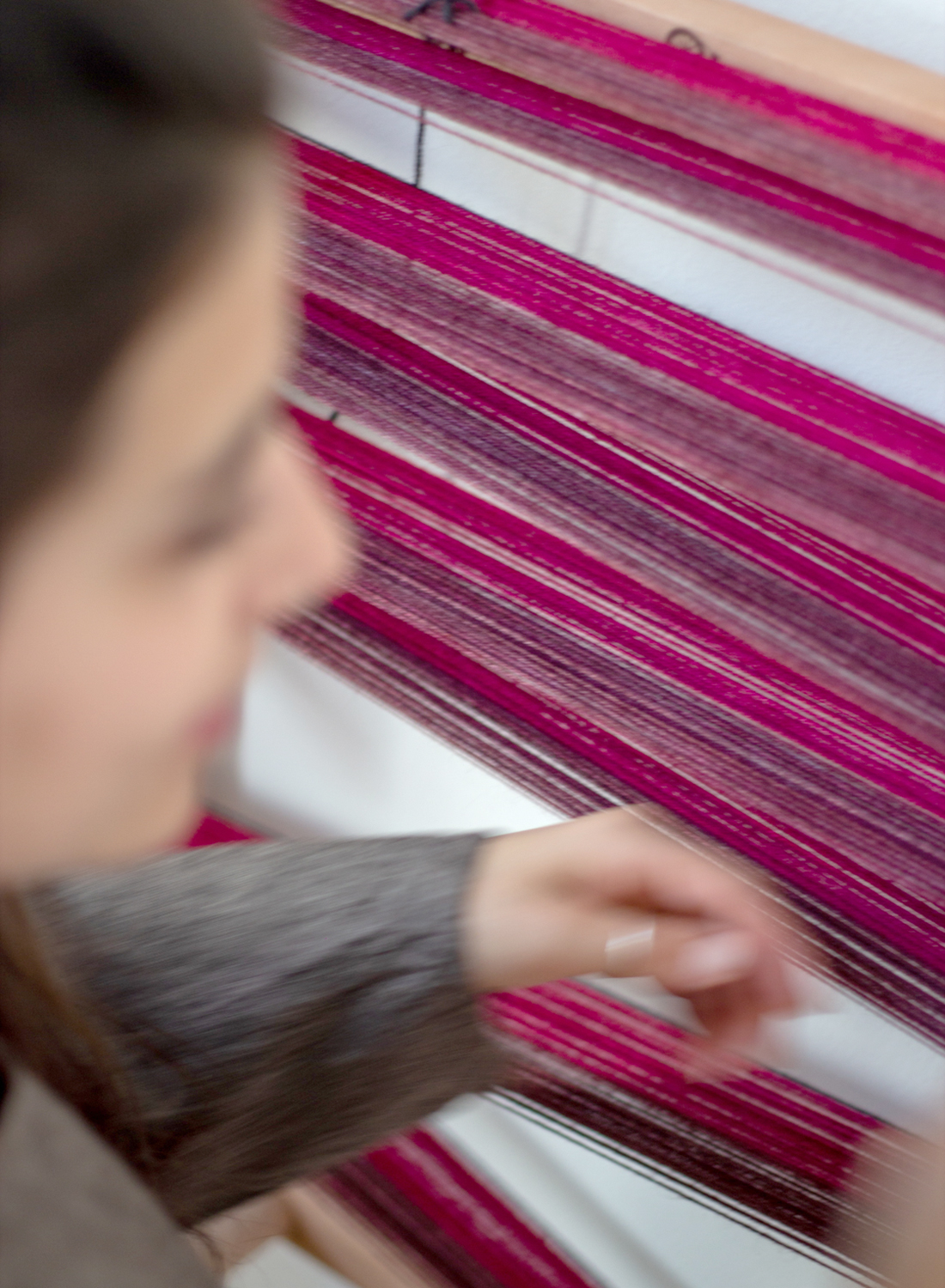
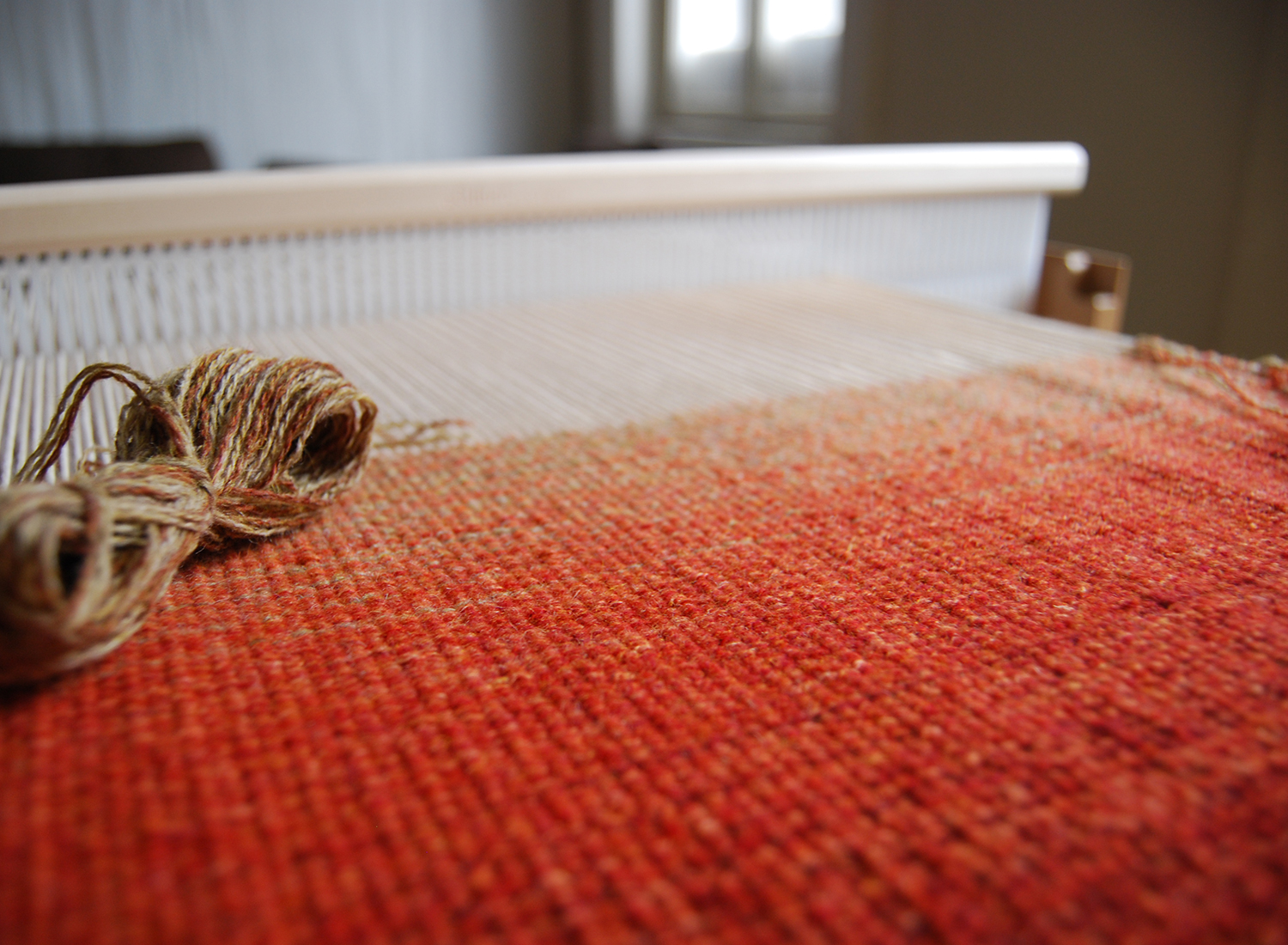
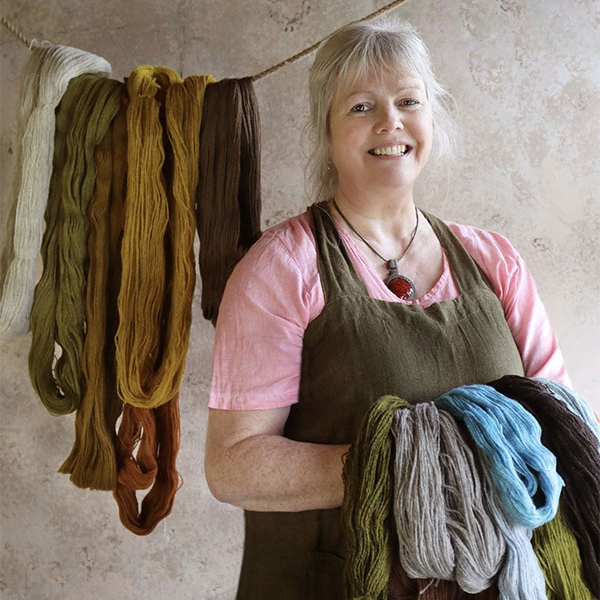
Color plays an especially important role in my creative process. It often guides my artistic decisions long before I think about patterns or structures. Sometimes a color combination stays with me for weeks before it eventually becomes a woven piece.
Beyond nature, I am inspired by traditional textiles, natural fibers and the quiet rituals of everyday life. More than trends, I seek authenticity, simplicity and objects that tell honest stories.

Do you have any advice for people just starting out on their fibre journey?

Be patient with yourself.
Don’t rush to reach the finished piece. Learn to fall in love with the process itself.
Ask questions. Find people you admire and learn from them. Stay curious, always.
Experiment without being afraid of making mistakes, because every mistake teaches you something that no book can.
And above all, don’t spend your energy trying to imitate someone else’s style. Your own voice will emerge naturally, little by little.
I truly believe that creativity is not about reaching a destination. The creative act is the journey.

Where will your fiber journey take you in the future?

I don’t think my textile journey will ever end. I simply see it taking new forms as I continue to grow.
As I continue my studies in psychology, I hope to build a life where creativity, wellbeing and human connection naturally belong together.
The more I grow, the more I realize that weaving and psychology are not so different. Both begin with listening. Both require patience, presence and respect for what is already there. One works with threads, the other with people, and both can help us express who we are.
I hope my future allows me to continue exploring both worlds, because they both remind me that beauty and perhaps even healing is created slowly, one thread, one conversation and one small gesture at a time.