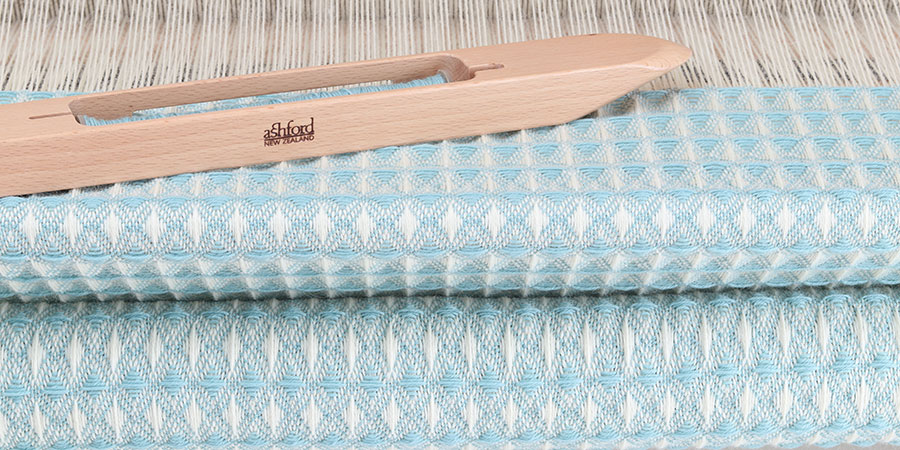
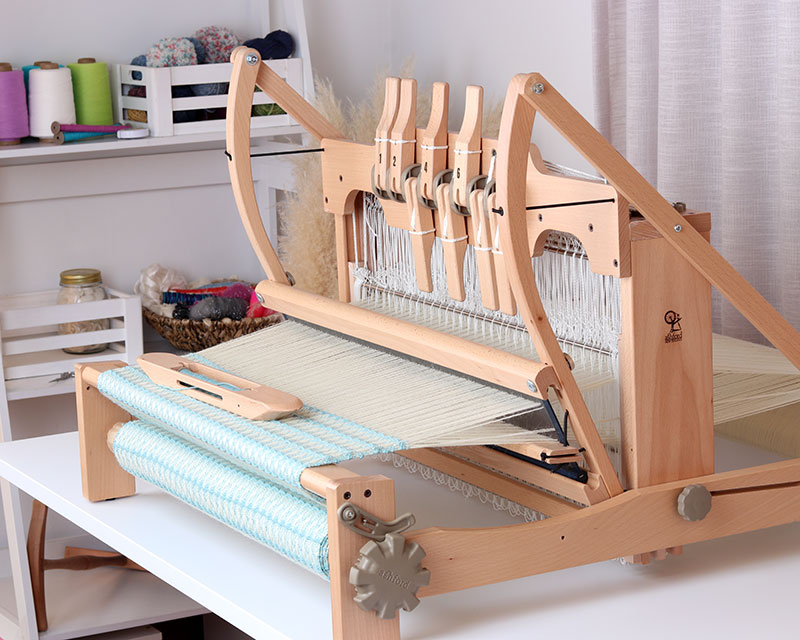
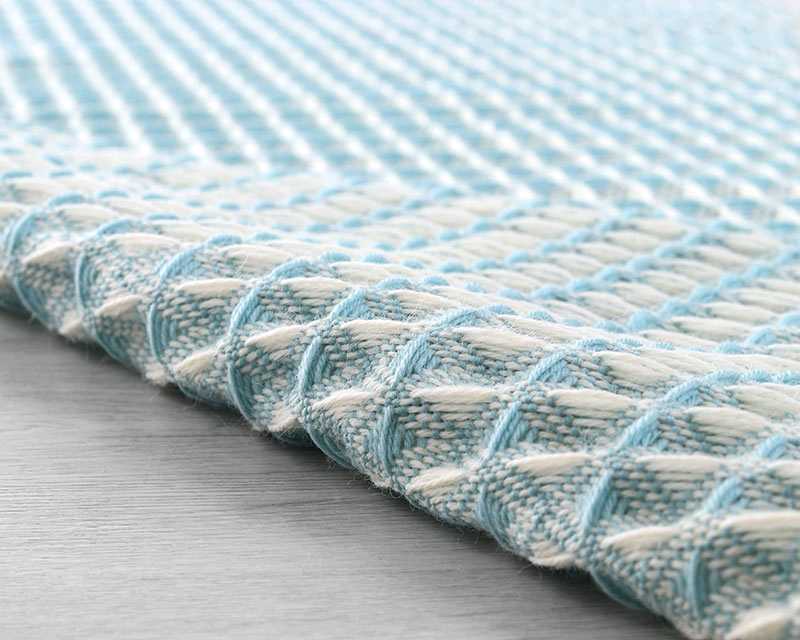
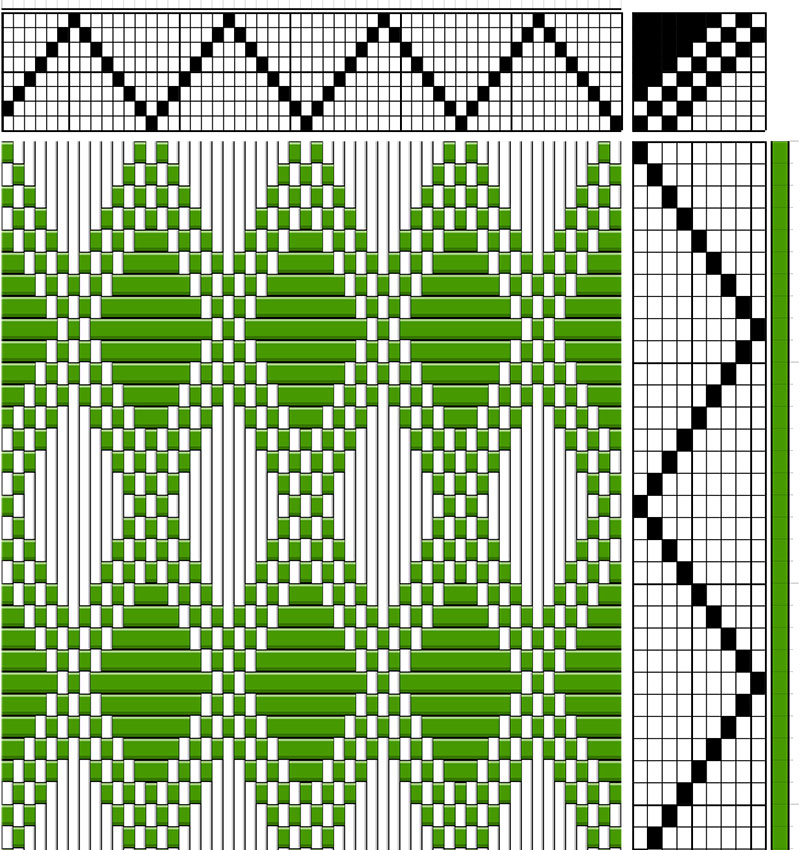
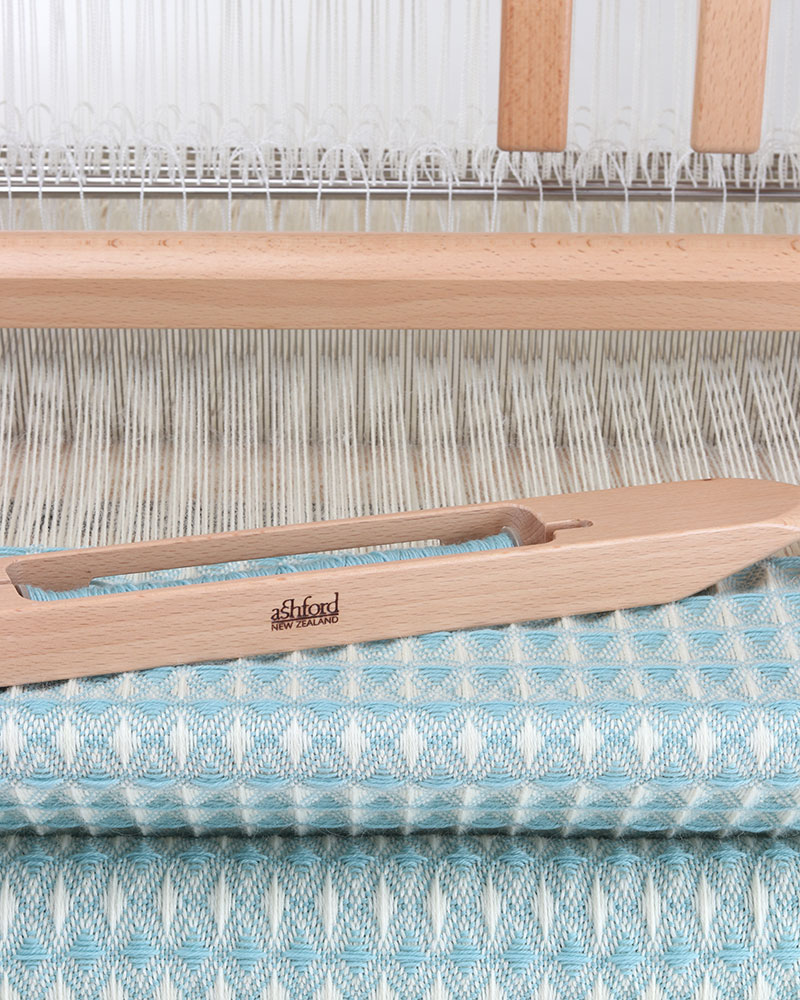
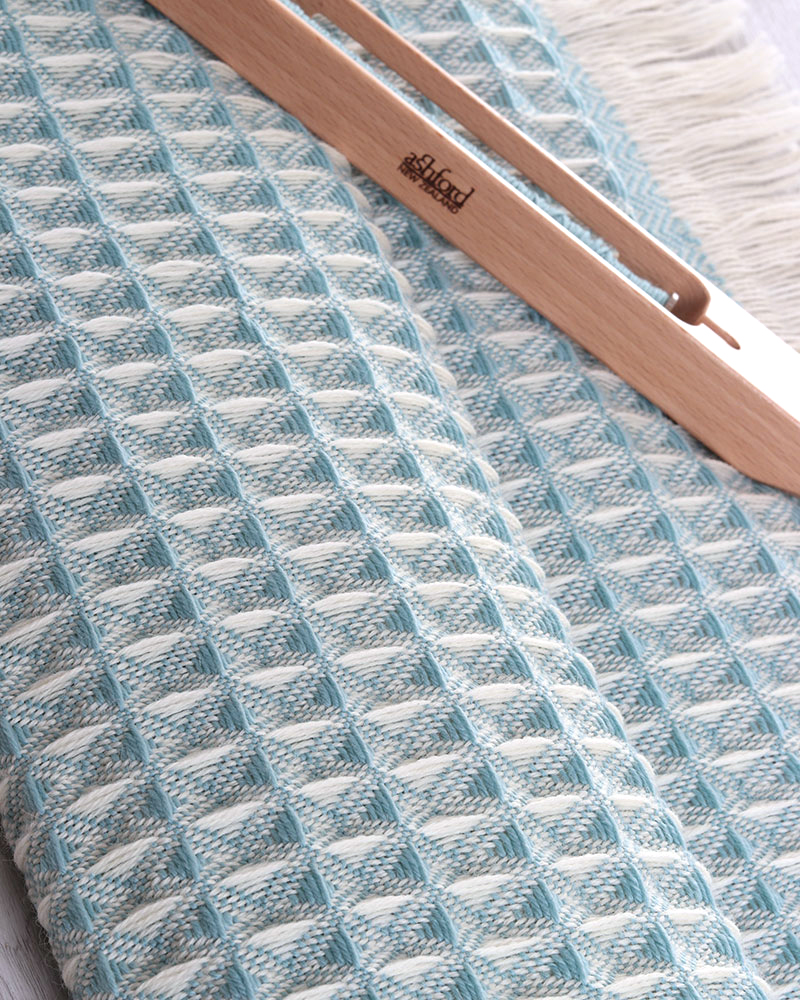
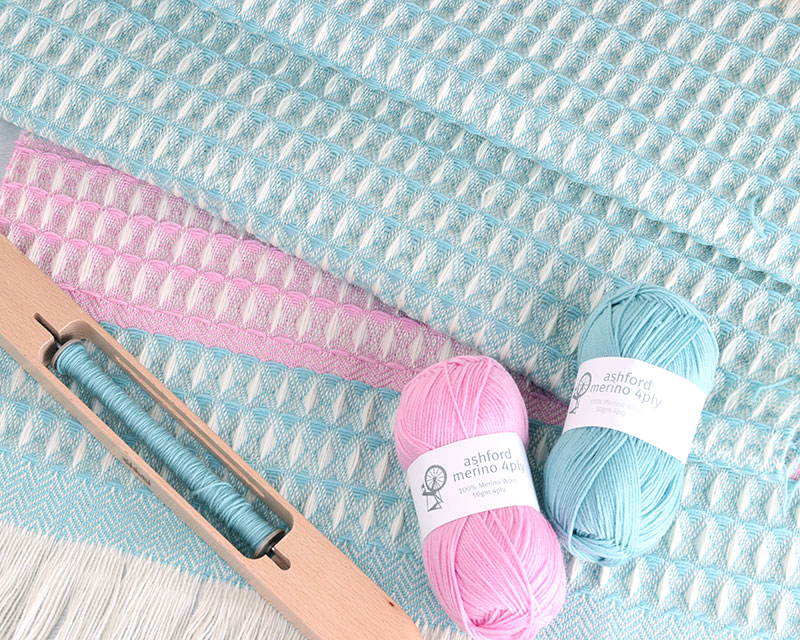
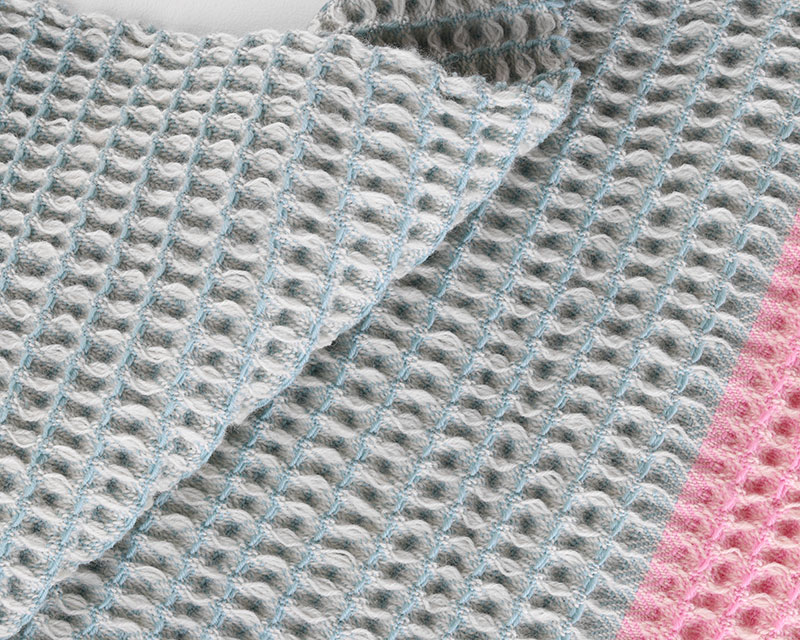
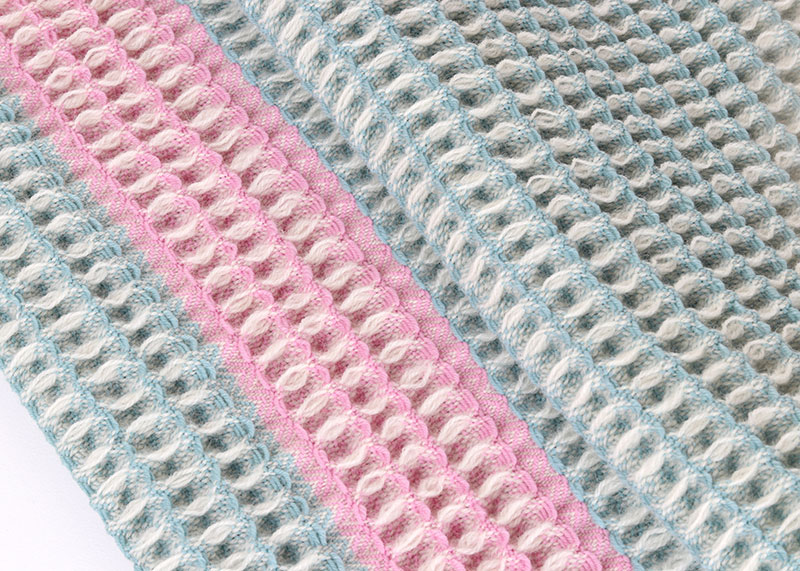
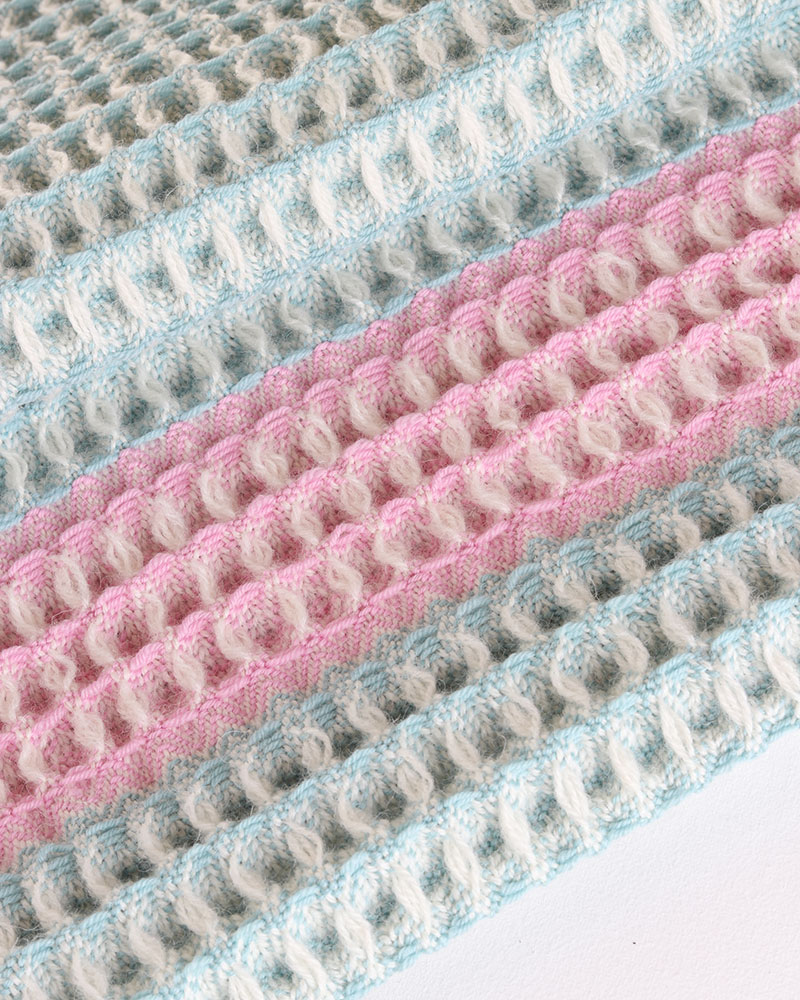
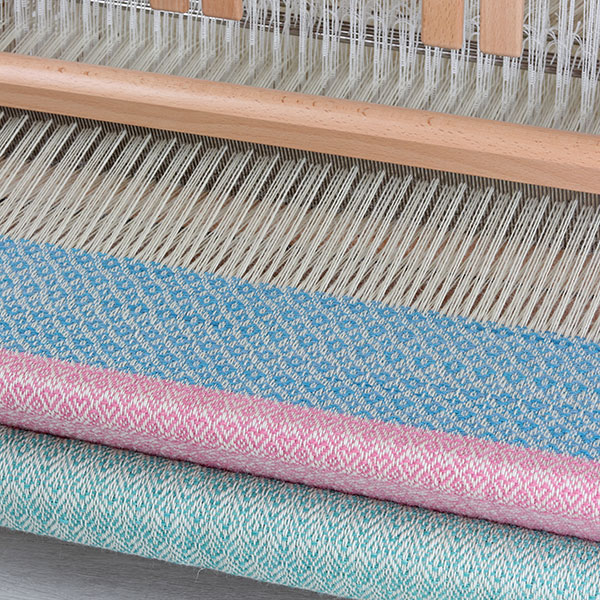
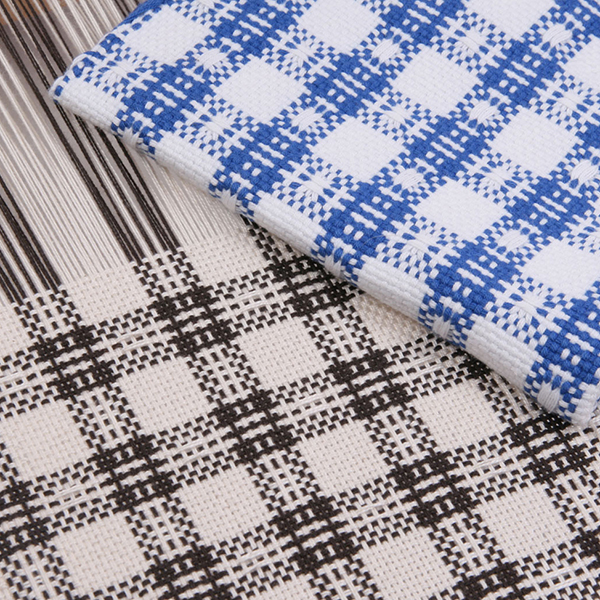
There is something irresistibly tactile about waffle weaves. Soft, pillowy cells that you just want to squeeze and squish. When woven in wool, the squish is absolutely real. This sample, woven on an eight-shaft 60 cm (24″) table loom, beautifully shows how the structure transforms from a flat grid into a deeply dimensional fabric, full of warmth, bounce, and character.
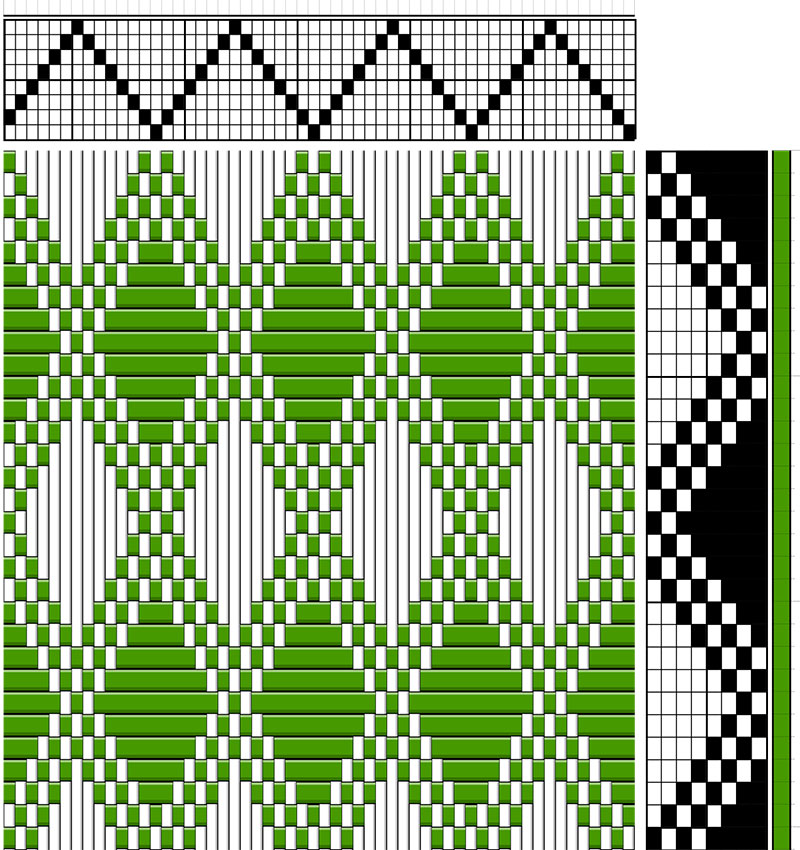
The secret behind this irresistible texture lies in the weave structure itself. Waffle weave uses a combination of longer warp and weft floats that interlace in a grid, forming tiny pockets across the surface. During finishing, especially when woven in a springy fibre like wool, the threads relax and draw in unevenly and the floats puff up while the intersections pull tighter. The result is a fabric that almost sculpts itself into shape, creating those wonderful, spongy cells that make waffle weave so unique.
These longer floats interlock in a repeating grid, forming small square or diamond “cells.” The raised ridges (the outlines of each square) form where warp and weft floats intersect. The recessed pockets (the hollow parts of the waffle) are areas where the threads interlace more tightly.
Differential tension and shrinkage
During weaving and especially after washing or finishing, the floats relax and draw in differently. The floats contract more than the interlaced areas, pulling the fabric into that characteristic honeycomb or waffle texture. This gives the cloth a spongy, absorbent, and textured hand.
Yarn properties enhance the effect
If you use lofty or elastic yarns like wool, the yarns tend to puff up after wet finishing. This makes the raised areas even more pronounced and the pockets deeper — amplifying the 3D texture.
Contrast with flat weaves
Plain weave: every thread interlaces alternately (over one, under one), producing a tight, flat surface with no floats.
Twill weave: has diagonal ribs but remains relatively flat because floats are short and evenly distributed.
Waffle weave: intentionally builds uneven tension and longer floats, which causes puckering and depth.
Waffle weave is a wonderful structure to explore on an eight-shaft table loom — it is easy to set up yet endlessly satisfying to weave. Pair it with a soft, resilient wool yarn and watch the fabric come to life as the texture develops right before your eyes. Whether you’re weaving a cosy throw, a cushion cover, or simply sampling for the joy of it, this project is the perfect way to experience the magic of texture — because yes, the squish really is real.
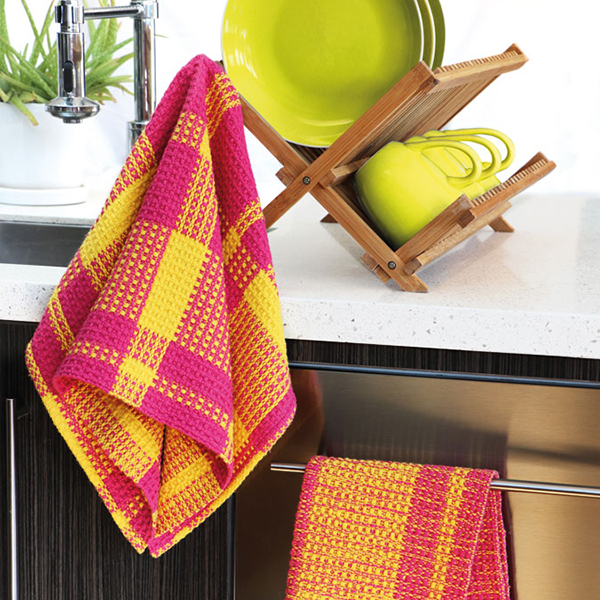
Note – this particular waffle-ish weave has very long floats in the warp and weft and would not be suitable for baby blankets as little fingers could get caught in them. A more traditional waffle weave like this one would be more suited for little hands https://www.ashford.co.nz/waffle-weave/